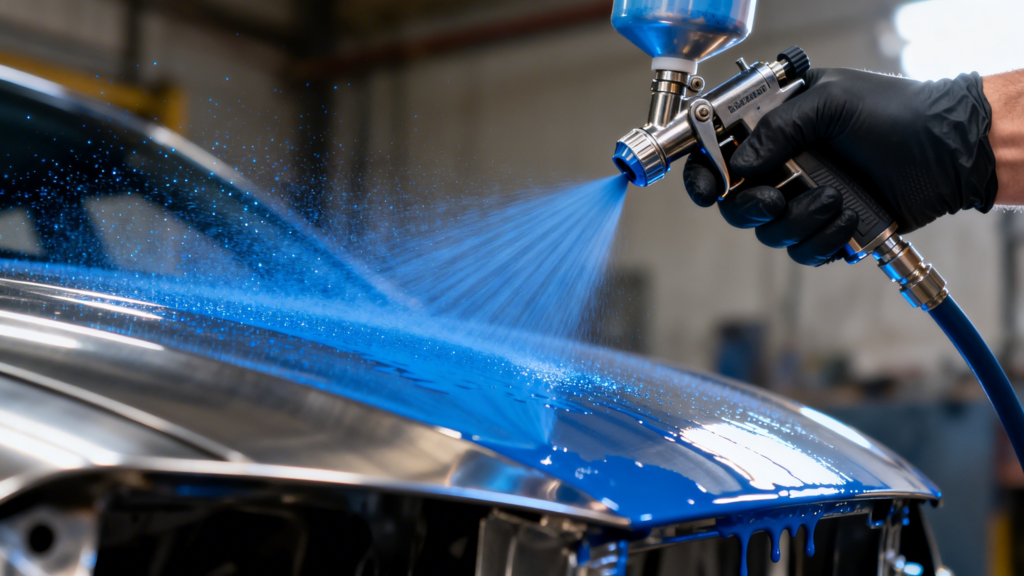
Selecting the right air compressor system for spray painting machines is essential to ensuring optimal performance, consistent finish quality, and overall operational efficiency. The compressor directly impacts the atomization process, energy consumption, and air quality, which are all critical factors in achieving the best results in spray painting applications. This article will guide you through the process of choosing the ideal air compressor for spray painting, focusing on key factors, compressor types, and best practices.
1. Introduction
Air compressors play a pivotal role in spray painting operations, providing the air pressure required to power spray guns and other painting equipment. The right compressor ensures a smooth, even application of paint, optimal efficiency, and minimal downtime. Understanding the various factors that influence compressor selection will help you make the best choice for your spray painting setup, whether you’re working with a small workshop or a large industrial operation.
2. Understanding the Role of Air Compressors in Spray Painting Machines
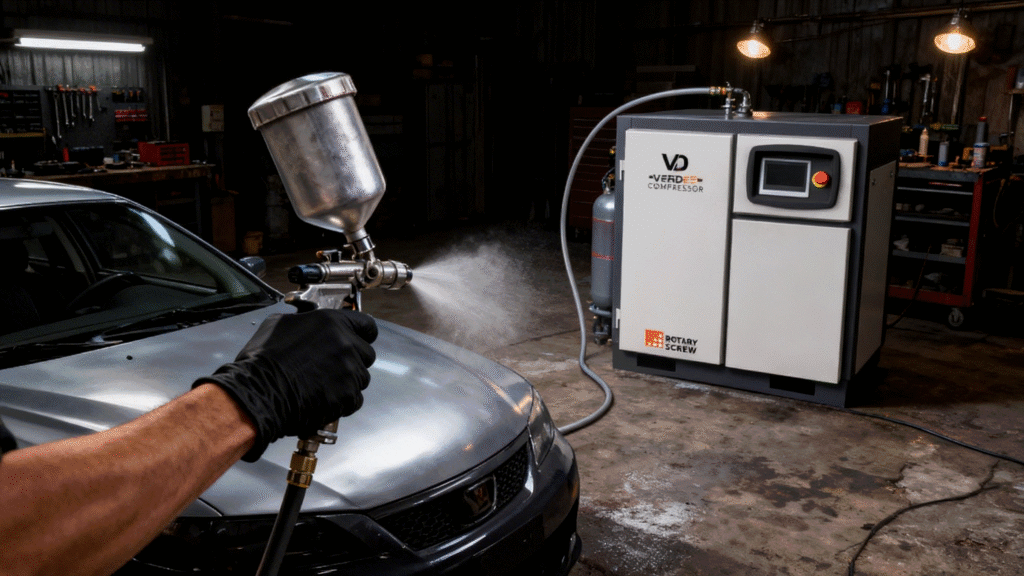
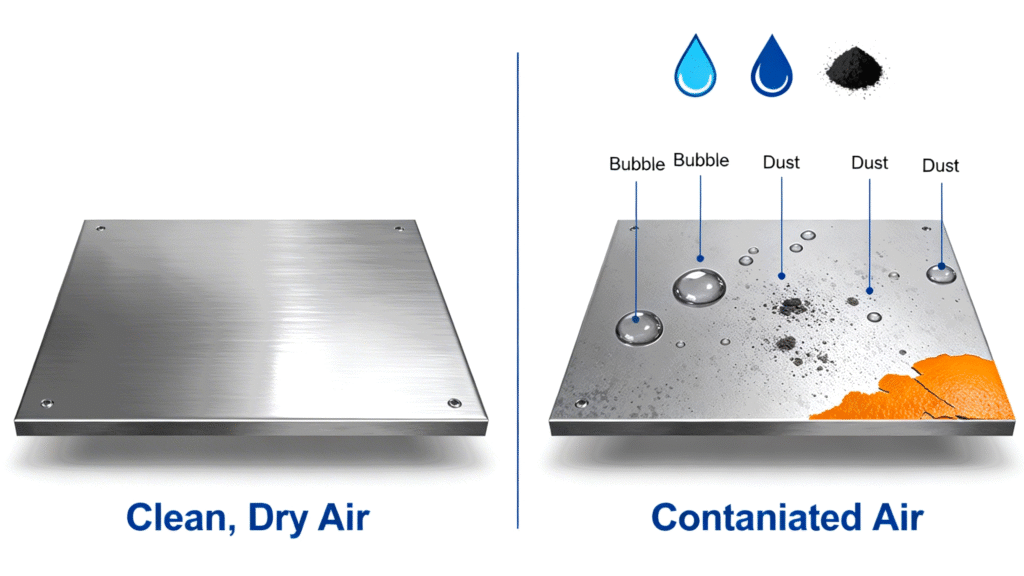
In spray painting, the compressor supplies the necessary air to atomize the paint, ensuring an even coating and smooth finish. A high-quality compressor also provides a constant air supply with stable pressure, which is crucial for maintaining paint consistency and avoiding imperfections such as uneven application or drips. Additionally, the compressor must deliver clean and dry air to prevent contaminants from affecting the paint finish.
The compressor’s performance influences both the quality of the work and the efficiency of the operation. Poor air quality or inconsistent pressure can lead to surface defects, increased waste, and even equipment wear, ultimately reducing your bottom line.
3. Key Factors to Consider When Choosing a Compressor Air System
Airflow Requirements (CFM)
The airflow requirement, typically measured in CFM (Cubic Feet per Minute), is one of the most critical factors when selecting an air compressor. The amount of airflow needed depends on the type of spray gun and the frequency of use.
For example, HVLP (High Volume Low Pressure) spray guns typically require a lower CFM but work best when paired with compressors that can maintain consistent airflow. On the other hand, conventional spray guns used for larger-scale operations may need a compressor with higher airflow.
Make sure to calculate the required CFM based on the specific spray gun and application to avoid inefficient performance or compromised paint quality.
Pressure Requirements (PSI)
Spray painting machines usually operate at pressures between 30 to 60 PSI, though this can vary depending on the paint type and method. The compressor must deliver consistent and adjustable pressure to ensure smooth paint application and avoid issues like overspray or insufficient coverage.
When choosing a compressor, ensure that it can support the recommended PSI for your spray gun and application. Pressure fluctuations can significantly affect the final finish and efficiency of your work.
Energy Efficiency
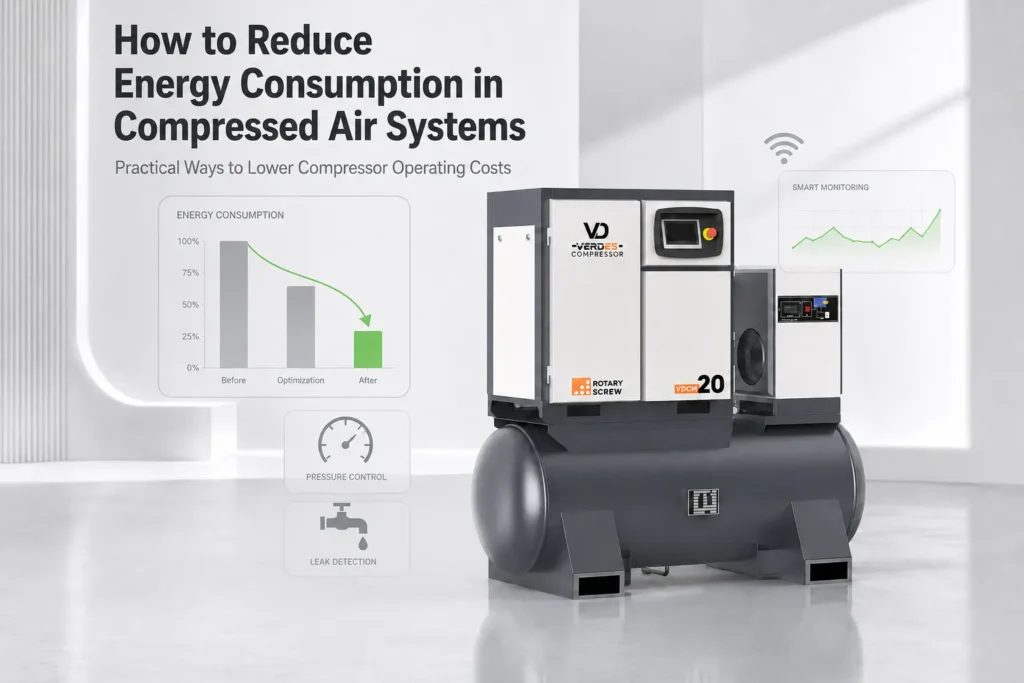
Energy efficiency is essential for reducing operational costs, especially in large-scale spray painting setups. VSD (Variable Speed Drive) compressors are particularly energy-efficient, adjusting the motor speed based on air demand. This helps in reducing energy consumption when full air capacity is not required, making VSD compressors ideal for operations with fluctuating air demand.
Energy-efficient compressors not only lower electricity costs but also contribute to a more environmentally sustainable operation.
Air Quality
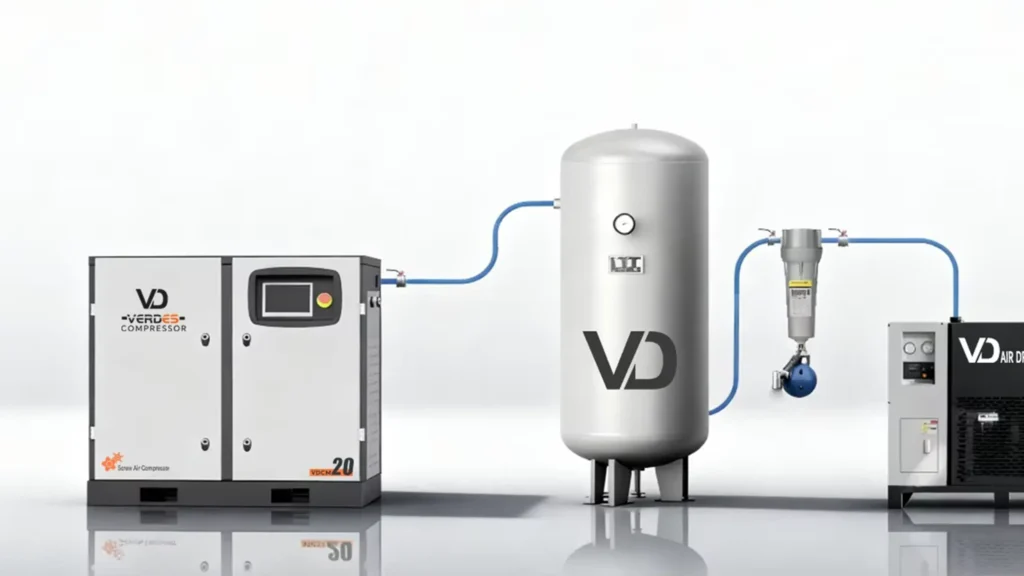
Clean, dry air is crucial for preventing contamination in the paint job. Moisture, oil, and dust particles in the compressed air can lead to defects like uneven coating, streaks, or contamination of the paint surface. It’s important to choose compressors with built-in moisture traps, filters, and dryers to ensure the air delivered is free of contaminants.
4. Types of Compressors for Spray Painting Machines
There are several types of air compressors, each suited to different spray painting needs. Here’s a breakdown of the most common options:
Reciprocating Compressors (Piston Compressors)
Reciprocating compressors are often used for smaller spray painting setups due to their affordability and simplicity. They work well in intermittent use scenarios where air demand is moderate, such as in small workshops or for occasional projects.
- Pros: Lower initial cost, simple design, good for small operations.
- Cons: Noisy operation, less efficient for high-volume continuous use.
Screw Compressors
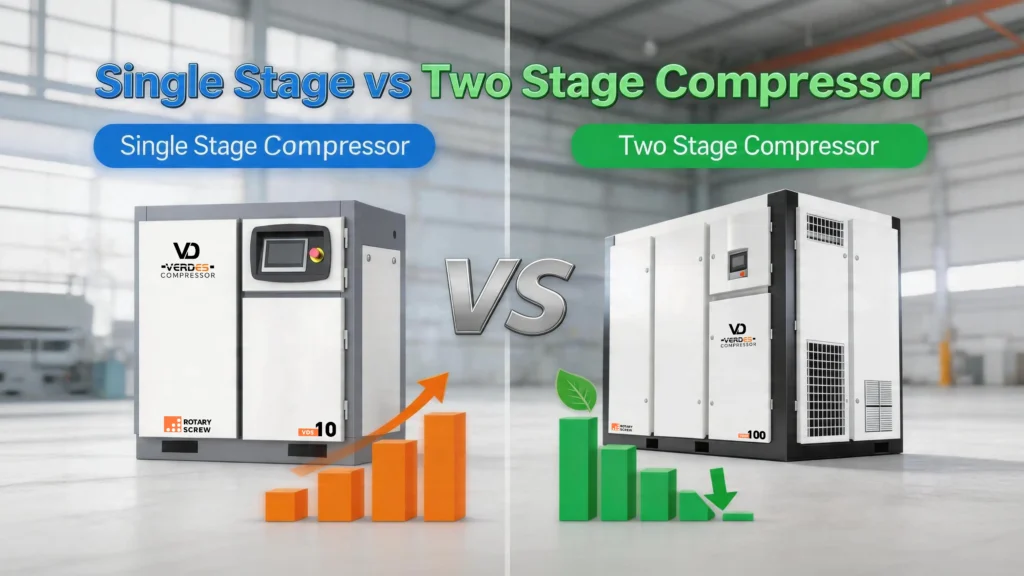
Screw compressors are the go-to choice for larger spray painting operations that require continuous air supply. These compressors offer high efficiency, quieter operation, and longer lifespan, making them ideal for industrial-scale applications.
- Pros: High capacity, energy-efficient, suitable for continuous use.
- Cons: Higher initial cost, typically used for larger setups.
Oil-Free Compressors
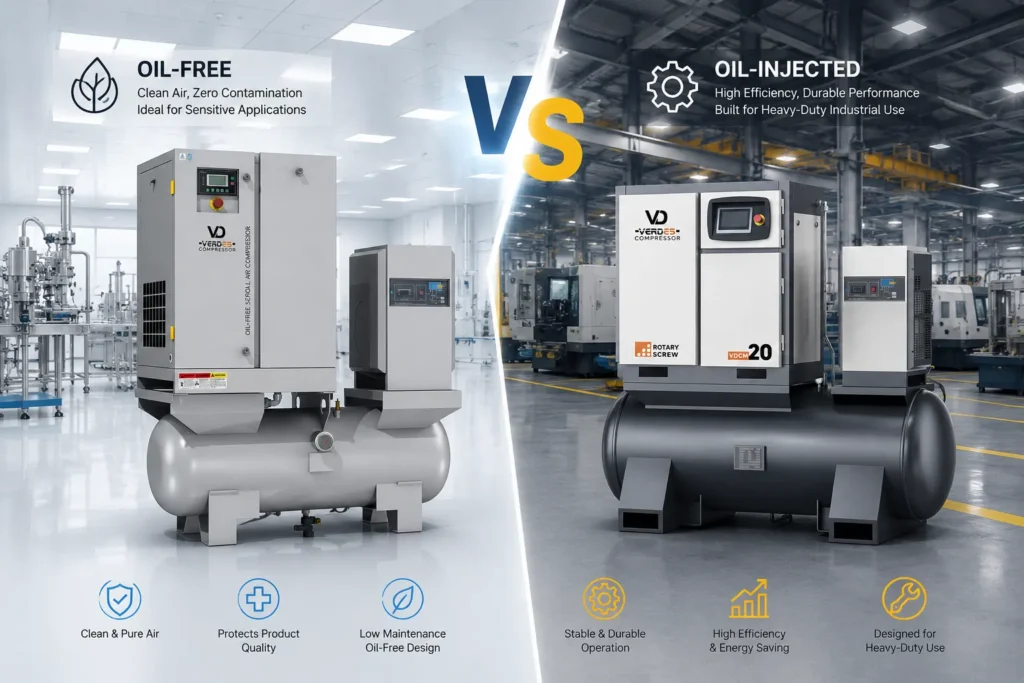
For spray painting operations that require the highest air quality, oil-free compressors are the best choice. They prevent oil contamination, ensuring the air is clean and dry, which is essential for achieving a flawless finish in sensitive applications.
- Pros: Clean air, no oil contamination, ideal for precision applications.
- Cons: Higher upfront cost, more maintenance required.
Scroll Compressors
Scroll compressors are known for their quiet operation and oil-free design, making them suitable for smaller spray painting setups that need efficient and clean air. They are less common than piston and screw compressors but offer unique benefits in terms of noise reduction and compactness.
- Pros: Quiet, oil-free, minimal vibration.
- Cons: Generally more expensive, better for smaller operations.
Explore our range of Screw Compressors for efficient, continuous spray painting applications.
5. Matching Compressor Type to Your Spray Painting Setup
The best compressor for your spray painting operation depends on the size of your setup and how often you use your machines. For small-scale operations, a reciprocating compressor may suffice. It’s cost-effective and provides enough power for occasional use.
For larger or more frequent operations, screw compressors are a better fit due to their ability to provide continuous, high-efficiency airflow. Additionally, if air purity is critical in your applications, oil-free compressors will prevent contaminants from affecting your work, ensuring a superior finish.
Browse our full collection of Oil-Free Compressors for clean, reliable air solutions.
6. Ensuring Proper Maintenance for Long-Term Performance
Proper maintenance of your air compressor is essential to ensure its efficiency and longevity. Regular maintenance tasks include:
- Cleaning and replacing filters: This prevents dirt and dust from entering the system.
- Checking moisture traps: Moisture in the air can cause paint defects; ensure the moisture trap is clean and functioning.
- Oil changes: For oil-lubricated models, ensure oil levels are adequate and replace when needed.
Following a regular maintenance schedule will reduce downtime and ensure your compressor runs efficiently, even during peak demand.
7. Common Mistakes to Avoid When Selecting a Compressor System
Choosing the right air compressor is crucial, but many make mistakes in the selection process. Here are some common mistakes to avoid:
- Undersizing the Compressor: Choosing a compressor that doesn’t meet airflow or pressure requirements will result in poor performance and inefficient operation.
- Overestimating Needs: While larger compressors might seem appealing, they often come with unnecessary operational costs. Select a compressor that aligns with your actual needs.
- Ignoring Air Quality: Not considering the air quality can lead to defects in your paint job. Ensure that your compressor delivers clean, dry air.
8. Conclusion
Selecting the right air compressor system for your spray painting machines is essential for maximizing efficiency, ensuring high-quality finishes, and reducing operational costs. By considering factors like airflow, pressure, energy efficiency, and air quality, you can make an informed decision on the best compressor for your needs.
At VD Compressor, we offer a wide range of air compressors designed specifically for spray painting applications. Whether you’re looking for a high-efficiency compressor for continuous use or a compact, oil-free model for smaller operations, we have the perfect solution for you.
Explore our full Product Catalog for more air compressor options.