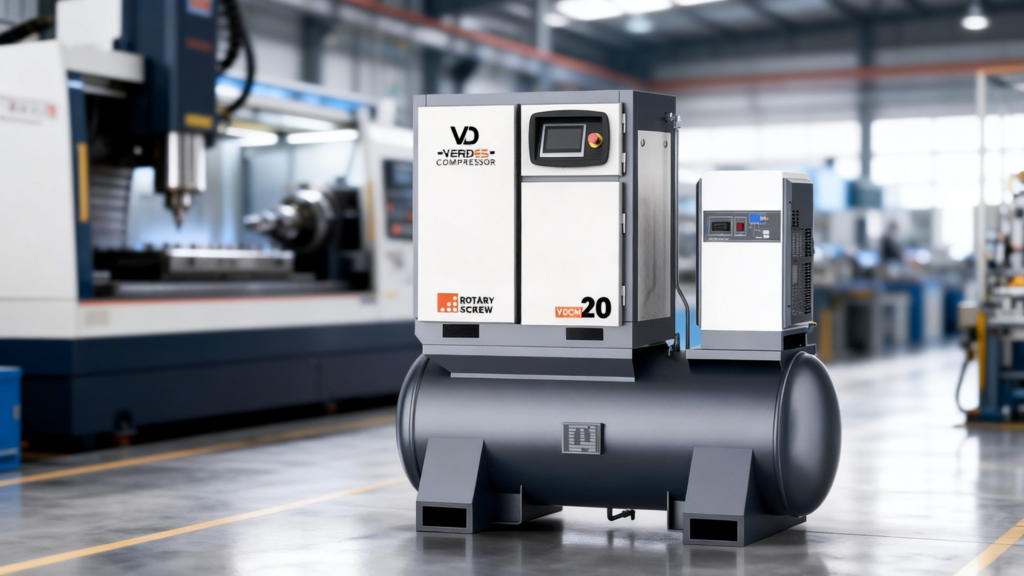
Choosing the right air compressor for your CNC (Computer Numerical Control) machines is critical for ensuring optimal performance, energy efficiency, and long-term reliability. The air compressor not only powers the machines but also influences production efficiency and product quality. In this article, we will explore how to select the perfect air compressor type for your CNC needs, focusing on key considerations, the different types of compressors, and the best practices for choosing the right one.
1. Introduction
CNC machines are the backbone of precision manufacturing, playing an integral role in various industries such as aerospace, automotive, and metalworking. An often overlooked yet essential component of CNC operations is the air compressor. A high-quality compressor ensures reliable power, cooling, and the necessary clean air for optimal machine performance.
Selecting the correct air compressor is crucial not only for maximizing productivity but also for reducing operational costs. A compressor that meets your specific CNC requirements will keep your machines running smoothly and improve the overall efficiency of your production process.
2. Understanding the Role of Air Compressors in CNC Machines
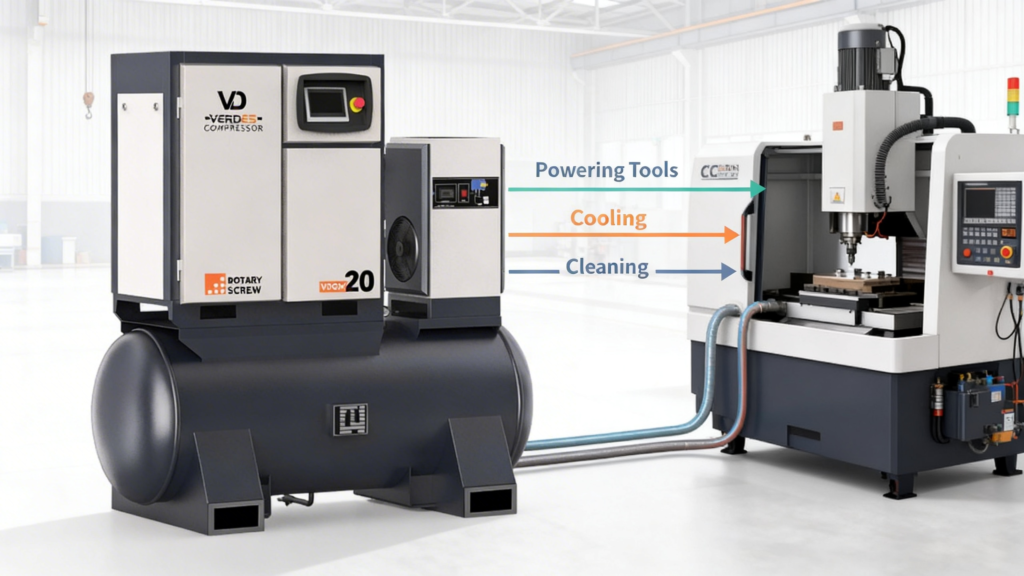
Air compressors are vital in CNC operations. They serve multiple purposes:
- Powering Pneumatic Tools: CNC machines often use compressed air to power pneumatic actuators, robots, or other tools.
- Cooling: Compressors are used to provide a cooling airflow to prevent overheating of the CNC machine.
- Cleaning: Clean compressed air is essential for purging debris and dust from CNC machines and tools.
The right air compressor ensures uninterrupted operation, higher precision, and extended machine life by providing consistent air quality and pressure.
3. Key Factors to Consider When Choosing an Air Compressor for CNC Machines
When selecting an air compressor for CNC operations, consider the following factors:
Airflow Requirements
Different CNC machines have varying airflow demands. Airflow is measured in CFM (Cubic Feet per Minute), and calculating the required airflow is essential for choosing the correct compressor size. A compressor that cannot meet the airflow requirements will compromise machine performance.
For instance, a CNC milling machine may require more airflow compared to a smaller CNC lathe. It’s crucial to calculate the total CFM required by all machines operating simultaneously in your workshop.
Pressure Requirements
CNC machines typically operate at specific pressures, commonly between 90 and 120 PSI (Pounds per Square Inch). Choosing the right air compressor ensures your machine receives consistent pressure, preventing fluctuations that can affect the precision and quality of work.
Energy Efficiency
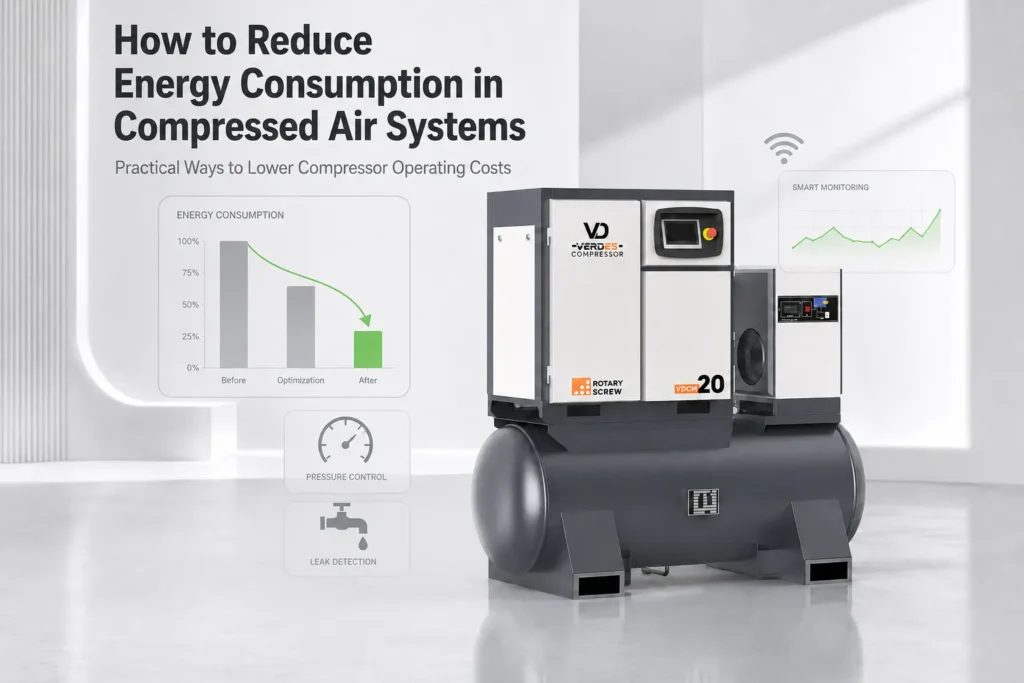
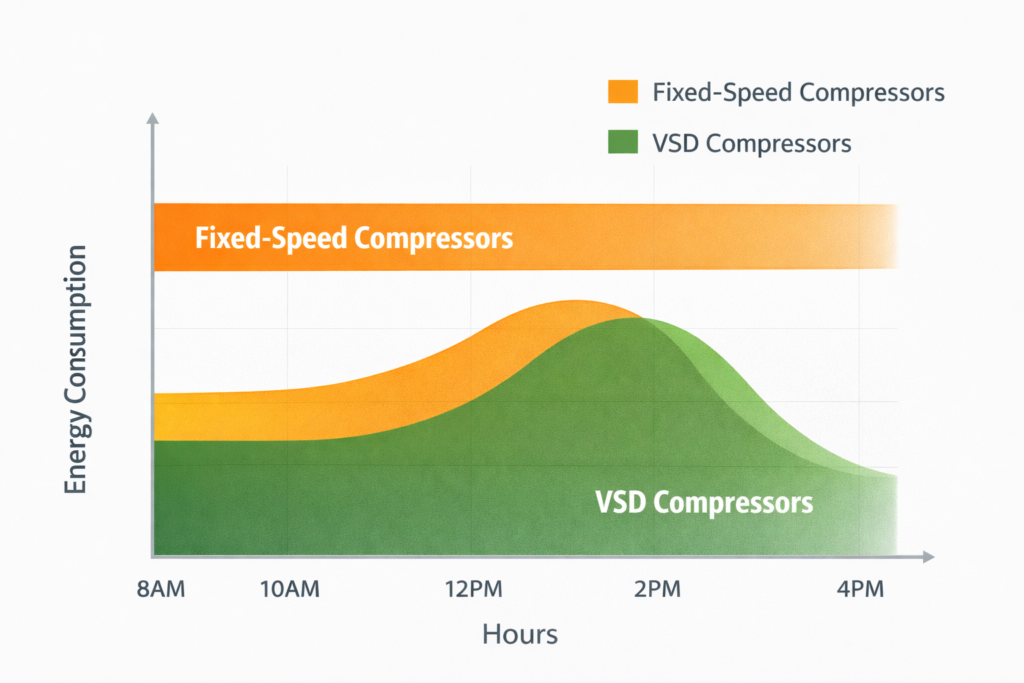
Energy consumption is one of the most significant operational costs. An energy-efficient air compressor will not only lower your energy bills but will also contribute to a more sustainable operation. Variable Speed Drive (VSD) compressors offer superior energy efficiency by adjusting the motor speed based on demand, thus saving energy when full power is not required.
Air Quality
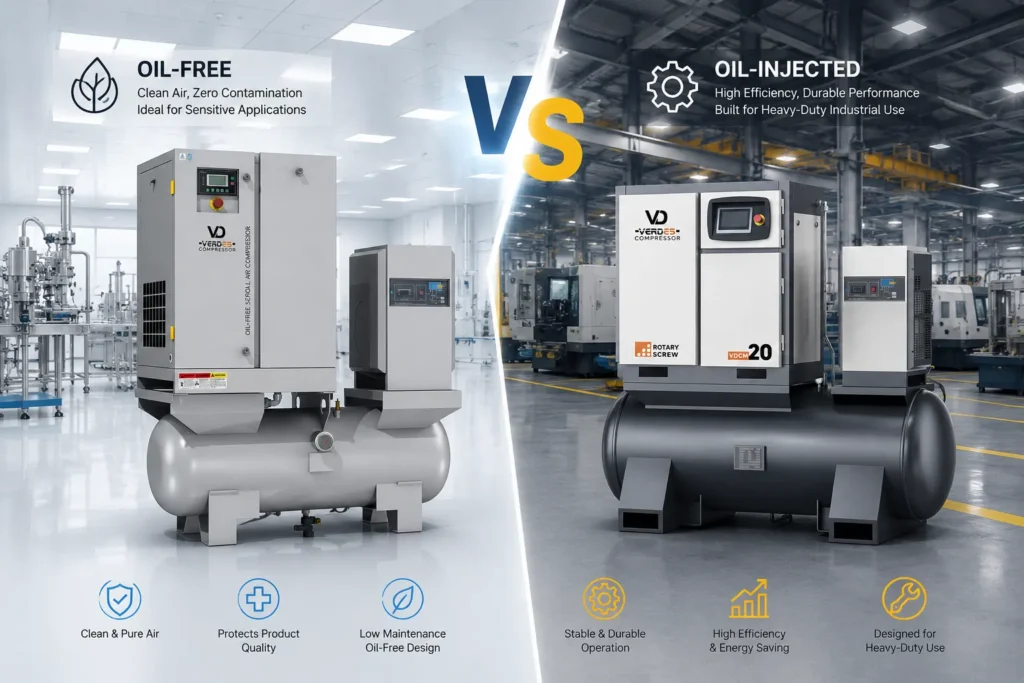
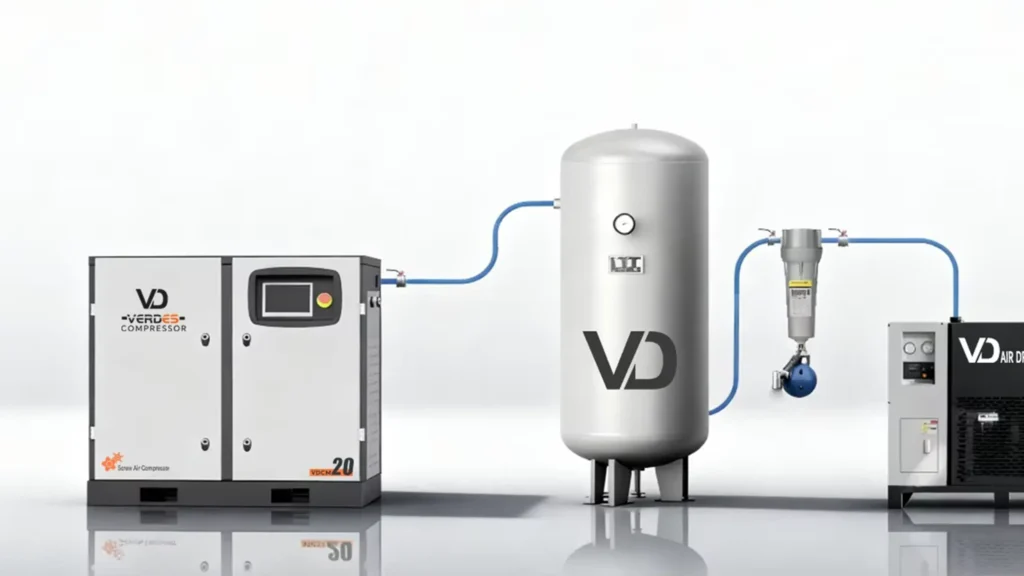
CNC machines demand high-quality, clean air to ensure precision. Contaminants such as oil or moisture can damage tools and degrade performance. Depending on the application, you may require oil-free compressors or compressors with advanced filtration and drying systems to maintain air purity.
4. Types of Air Compressors for CNC Machines
There are several types of air compressors that cater to the specific needs of CNC machines. Let’s break down the most common types:
Reciprocating Compressors (Piston Compressors)
These are ideal for small to medium-sized CNC workshops. They are cost-effective and offer good reliability for low to moderate air demand. However, they can be less efficient at higher capacities due to their continuous on/off cycle.
- Pros: Lower initial cost, simple design, good for intermittent air usage.
- Cons: Noisy, lower efficiency at higher capacities.
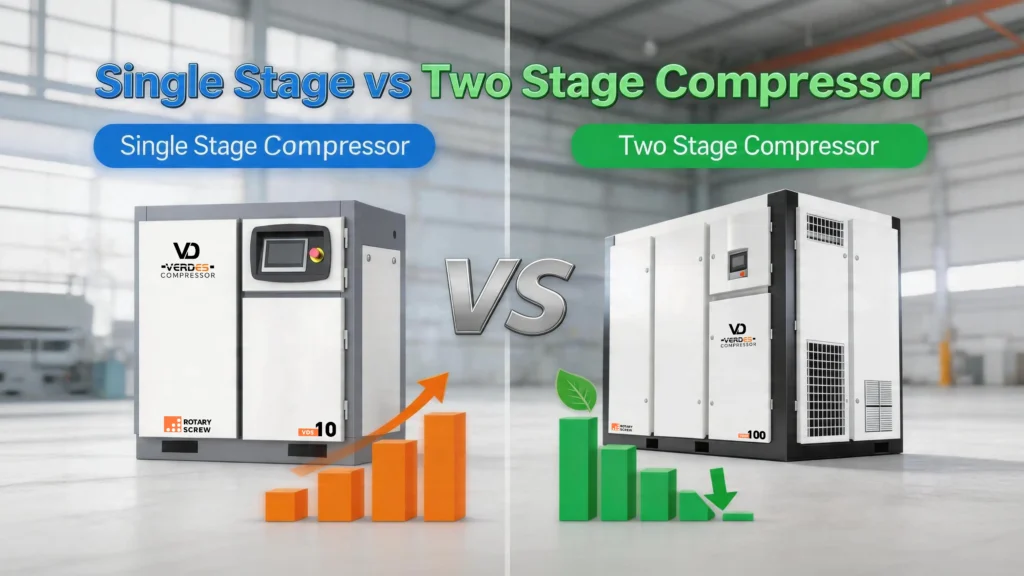
Screw Compressors (Rotary Screw Compressors)
Screw compressors are the most commonly used type in industrial settings, especially for larger CNC operations that require continuous air supply. These compressors provide steady airflow and operate quietly and efficiently, even under heavy loads.
- Pros: More energy-efficient for continuous operations, longer lifespan.
- Cons: Higher initial investment.
Centrifugal Compressors
These are used in large-scale CNC operations that require high volumes of air at relatively constant pressure. Centrifugal compressors are ideal for environments with heavy-duty air requirements.
- Pros: High capacity, low operational costs, low maintenance.
- Cons: Expensive, best suited for large industrial applications.
Oil-Free Compressors
Oil-free compressors provide clean, dry air, which is essential in applications where contamination can affect the work quality, such as in aerospace and medical CNC machining.
- Pros: Clean air, no oil contamination, ideal for precision applications.
- Cons: Higher cost, maintenance can be more complex.
5. How to Match the Right Compressor to Your CNC Machine’s Needs
Selecting the appropriate compressor depends on your CNC machine’s requirements:
- For small CNC shops with moderate air demands, reciprocating compressors may suffice.
- For large-scale operations requiring continuous air supply, screw compressors are typically the best choice.
- For precision CNC applications like aerospace or medical machining, oil-free compressors ensure that the air is free from contaminants that could affect the quality of the final product.
Matching the compressor to the type of work your CNC machines perform is crucial for ensuring efficiency, reducing downtime, and avoiding excessive wear on equipment.
Explore our full range of Screw Compressors for high-efficiency solutions.
6. Common Mistakes to Avoid When Selecting Air Compressors for CNC Machines
- Over-Sizing the Compressor: Choosing a compressor that’s too large can result in unnecessary energy consumption.
- Ignoring Total Cost of Ownership: Don’t just focus on the initial cost. Consider long-term savings from energy-efficient models and reduced maintenance costs.
- Neglecting Maintenance: A poorly maintained compressor can significantly reduce the lifespan of your CNC machines. Regular service and cleaning are essential for long-term reliability.
7. Maintenance and Longevity: Ensuring Your Compressor Works for the Long Run
Proper maintenance is key to maximizing the lifespan and efficiency of your air compressor. This includes:
- Regular cleaning of the air intake and filters.
- Scheduled inspections for wear and tear.
- Monitoring oil levels in oil-lubricated compressors.
- Checking moisture traps and dryers to ensure air quality.
A well-maintained air compressor will ensure consistent performance and prevent costly downtime.
8. Conclusion
Choosing the right air compressor for your CNC machines is a critical decision that impacts your operational efficiency, energy consumption, and production quality. By understanding your CNC machine’s specific needs and considering factors such as airflow, pressure, energy efficiency, and air quality, you can select the most appropriate compressor type.
At VD Compressor, we offer a wide range of air compressors tailored to meet the diverse needs of the CNC industry. Whether you’re looking for a cost-effective solution or need high-capacity, energy-efficient options, our experts can help you find the perfect match for your CNC machines.
Browse our full Product Catalog for more air compressor solutions.